



Moxi Laser Treatment in Upper Saddle River, NJ
Smoother texture. More even-looking tone. A fresh start for your skin.
Sometimes your skin needs more than another serum. Sun exposure and the passage of time can leave your complexion looking uneven, rough, or less radiant than it once did. Moxi laser treatment offers a way to refresh your skin texture and tone without the extended recovery associated with more aggressive resurfacing. At Atrium, we tailor treatment to your skin, your goals, and the amount of recovery that fits your life.
What Moxi Is and How It Works
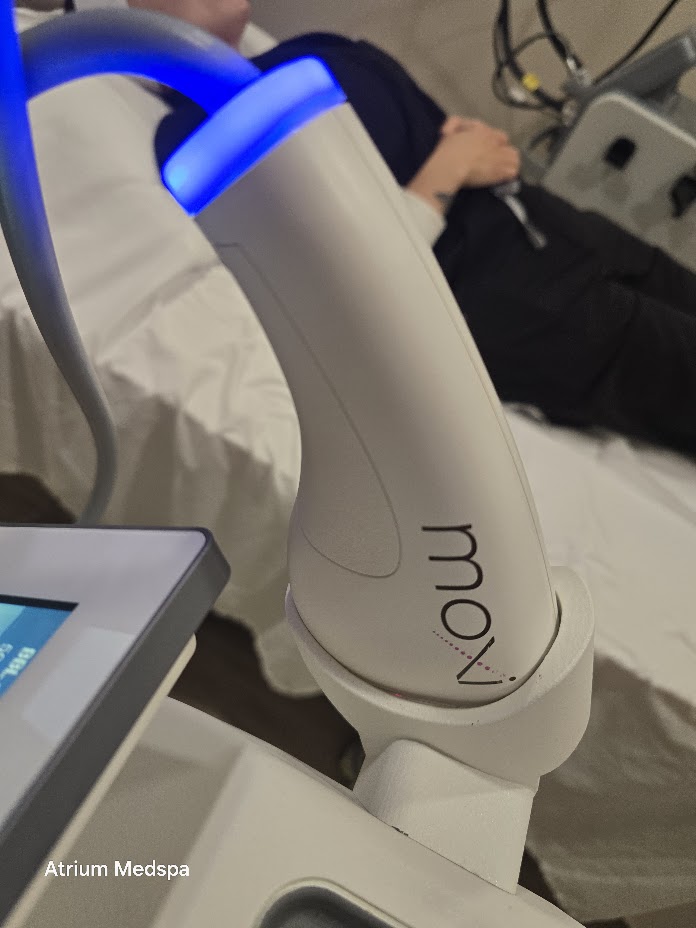
Moxi is a nonablative fractional laser that uses a 1927-nanometer wavelength. Its energy is absorbed primarily by water in the skin, creating microscopic zones of controlled thermal injury in superficial skin layers. This supports the skin’s natural repair process and the gradual shedding of treated cells, helping improve uneven tone and surface texture.
“Fractional” means the laser treats tiny zones while leaving surrounding tissue untreated to support healing. “Nonablative” means it doesn’t vaporize or remove the skin’s surface the way an ablative resurfacing laser does. Your skin still needs time to recover, but treatment generally involves less downtime than more intensive ablative procedures.
The goal is a fresher, smoother-looking complexion—not a change to your natural features. We adjust the treatment according to your concerns, skin tone, pigment history, and recovery preferences.
What Does Moxi Treat?
Common Treatment Indications
After a clinical evaluation, we may recommend Moxi to improve:
- Uneven skin tone associated with sun exposure
- Selected superficial brown spots and unwanted pigmentation
- Rough or uneven skin texture
- A dull-looking complexion
- Early signs of photoaging, including subtle fine lines
The face is a common treatment area for skin texture treatment. We can also assess suitable concerns on the neck, chest, hands, and other body areas. Recovery can differ by location, and areas beyond the face may take longer to heal.
Moxi isn’t a lifting procedure, and it’s not usually the best stand-alone option for deep wrinkles, significant skin laxity, prominent blood vessels, or deep acne scars. Active acne and other inflammatory skin conditions may need medical treatment before we consider cosmetic laser treatment.
A Careful Approach to Melasma
Melasma is a chronic pigment condition, not simply another type of sunspot. Selected patients may benefit from conservative fractional laser treatment as part of a broader medical plan, but heat and inflammation can also worsen discoloration or trigger rebound pigmentation. Moxi isn’t a cure for melasma, and it’s not automatically the first treatment we’ll recommend. Consistent sun protection and an appropriate topical regimen remain central to management.
Moxi Laser Treatment Modalities
Moxi uses one laser wavelength, but it isn’t a one-setting-fits-all treatment. We can adjust energy, treatment density, and the number of passes to control how much skin we treat and how intensively. Depending on your assessment, your plan may include:
- Conservative complexion refresh: A lighter approach for subtle tone and texture concerns or patients who prefer gradual improvement.
- Corrective fractional treatment: An individualized approach for more noticeable superficial sun damage and uneven texture, with recovery expectations matched to treatment intensity.
- Staged treatment series: Multiple sessions spaced to allow healing and reassessment, rather than trying to address every concern in one visit.
- Maintenance treatment: Periodic sessions considered after an initial course, based on your results, ongoing sun exposure, and skin health.
These are treatment strategies, not separate devices or standardized packages. More aggressive treatment isn’t necessarily better, especially if your skin is prone to discoloration. We’ll balance potential improvement with your individual risk and recovery needs.
Who Should Avoid or Postpone Moxi?
Safe treatment starts with understanding your skin and medical history. Some conditions are reasons to postpone treatment; others require additional assessment, modified settings, or another approach. We’ll examine your skin and review your history before recommending a procedure.
Contraindications and Precautions
We may need to postpone, modify, or avoid Moxi in the following situations:
- Active infection, an active cold sore, open wounds, or a significant rash in the proposed treatment area
- Recent sunburn, an active tan, or significant recent sun exposure
- Pregnancy, when we generally defer elective cosmetic laser treatment because safety data are limited
- A suspicious, changing, or undiagnosed skin lesion that needs medical evaluation before cosmetic treatment
- A history of keloids, abnormal scarring, or poor wound healing
- Immune suppression, certain connective tissue conditions, or medications that may interfere with healing
- Current or recent isotretinoin (Accutane) use, which requires an individualized review before treatment
- Other medications or medical conditions that may affect treatment safety or recovery
Moxi may be considered across a range of skin tones, but that doesn’t mean every patient is an appropriate candidate. Darker skin tones, melasma, and a history of post-inflammatory hyperpigmentation require particular care because treatment-related inflammation can cause unwanted discoloration. We may recommend conservative settings, a test area, or preparatory skincare when appropriate.
Please tell us if you’re breastfeeding, have a history of cold sores, have tattoos or permanent makeup near the treatment area, or have recently had another aesthetic procedure. Also disclose allergies to topical anesthetics and all prescription medications, over-the-counter products, and supplements. Don’t stop prescribed medication on your own; we’ll coordinate any necessary changes with your prescribing clinician when appropriate.
The Procedure and Comfort
Before the Procedure
When you schedule a Moxi Laser consultation, we’ll review your concerns, medical history, skincare routine, recent sun exposure, and previous procedures. We’ll assess your skin tone and pigment patterns, explain what Moxi can reasonably improve, and discuss whether another treatment may be a better fit.
You’ll receive personalized preparation instructions. These typically include avoiding tanning and temporarily pausing irritating products, such as retinoids and exfoliating acids, as directed. If you have a history of cold sores, we may prescribe preventive antiviral medication. If your skin is prone to discoloration, we may recommend a preparatory topical regimen.
During the Procedure
We’ll cleanse your skin and commonly apply a topical anesthetic before treatment to improve comfort. You’ll wear appropriate protective eyewear while the laser handpiece passes across the treatment area in a controlled pattern.
Most patients describe warmth, prickling, or a hot, scratchy sensation. Comfort varies with the settings, body area, and individual sensitivity. Let your provider know if the sensation becomes unusually painful.
The laser portion of a facial treatment may take approximately 10 to 20 minutes. Your full appointment will be longer to allow for preparation, numbing, and aftercare review.
What to Expect After Moxi
Your skin may feel warm and look red or swollen immediately after treatment. Over the next few days, it may develop a bronzed appearance and a dry, sandpaper-like texture. These changes can be an expected part of recovery rather than a sign that your skin is getting worse.
Tiny dark specks called MENDs, short for microscopic epidermal necrotic debris, often become noticeable around the second or third day. They represent treated tissue working its way toward the surface as your skin renews. MENDs can look like fine “coffee grounds” and gradually shed through flaking or peeling.
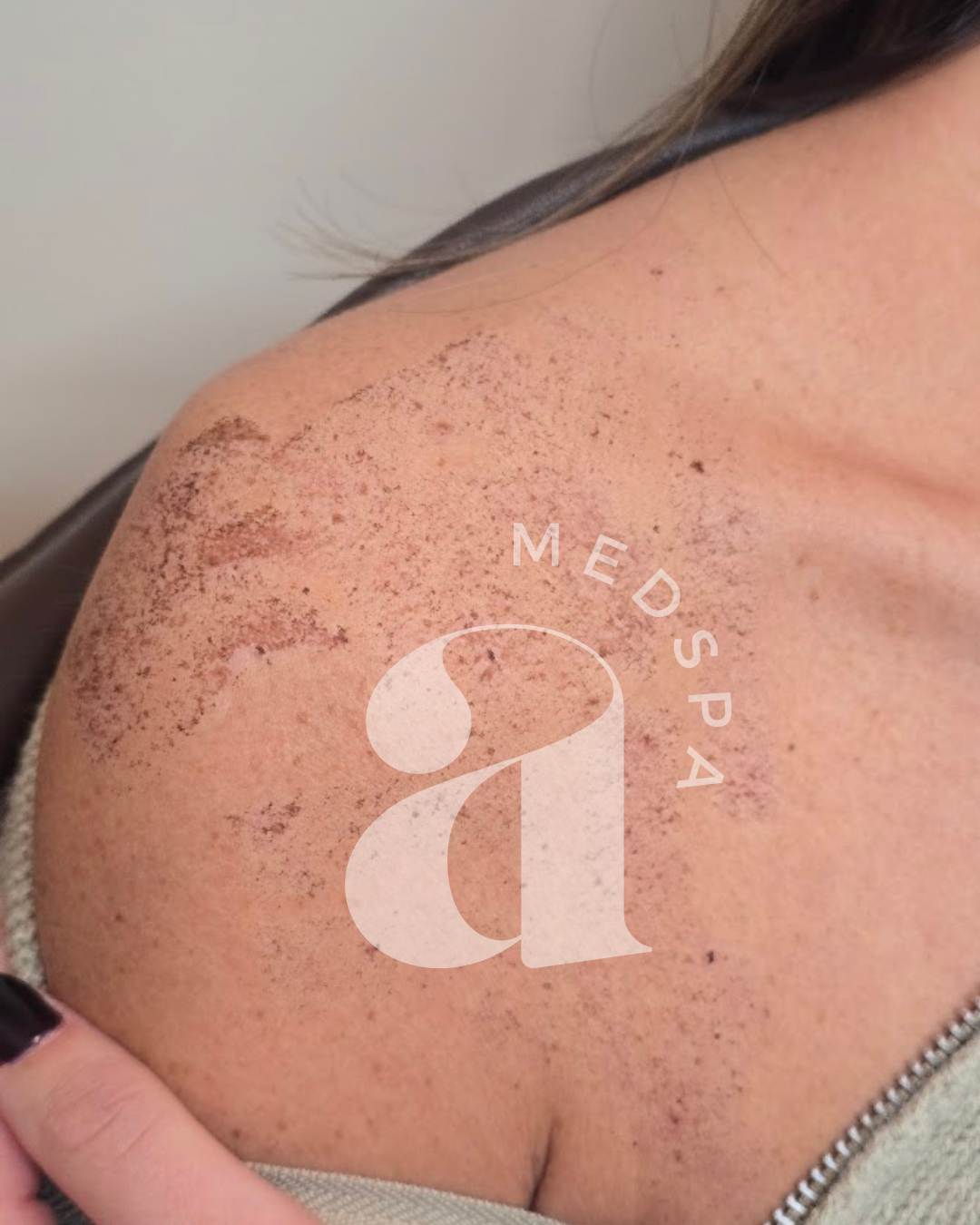
The temporary dark specks sometimes described as MENDs can resemble “coffee grounds.” They gradually shed as the treated skin heals, often within one to two weeks. Don’t pick or scrub them away.
Many patients notice the roughness and visible flaking settling over approximately five to seven days on the face, although healing can take longer depending on treatment intensity and individual response. Redness may persist after the initial roughness improves, and body areas can take longer to heal.
You may feel ready for routine activities before your skin looks fully recovered. Plan for visible healing rather than expecting a completely downtime-free treatment. The amount of bronzing or peeling isn’t a reliable measure of how good your final results will be.
Aftercare and Recovery
Follow your personalized cleansing and moisturizing instructions. Once you’re cleared to cleanse, use lukewarm water, a gentle cleanser, and clean hands. Pat your skin dry rather than rubbing it, and apply the moisturizer or barrier-supporting product we recommend.
Let MENDs and flakes release naturally. Don’t pick, scratch, scrub, or use exfoliating tools to speed up shedding. Removing them before they’re ready can irritate healing skin and increase the risk of scarring or unwanted pigment changes.
Protect your skin from direct sun exposure with shade and protective clothing. Use broad-spectrum SPF 30 or higher according to your provider’s instructions, and reapply as directed. Avoid tanning during recovery and beyond.
Wait until you’re cleared before restarting retinoids, exfoliating acids, or other potentially irritating products. Follow your instructions about makeup, exercise, hot showers, saunas, swimming, and shaving. Makeup is commonly deferred for at least the first 24 hours and longer if your skin remains irritated.
Dryness, mild itching, and fine flaking can occur during healing. Blistering, raw or weeping skin, severe pain, or increasing redness shouldn’t be dismissed as normal MENDs. Contact us promptly if these changes occur or if your recovery seems to be worsening rather than improving.
Results and Treatment Planning
As the initial roughness and flaking resolve, your skin may begin to look brighter and feel smoother. Improvements in tone and overall skin quality can continue to develop over the following weeks. Results vary, and one treatment may not fully address your concerns.
An initial series may include approximately three to four sessions, often spaced four to six weeks apart, depending on your skin, treatment intensity, and healing. Some patients need fewer sessions; others benefit from a different approach. We’ll reassess your response rather than assume everyone needs the same schedule.
Moxi Laser Treatment doesn’t stop aging or protect against future sun damage. Consistent skincare, sun protection, and an individualized maintenance plan help support your results over time.
Side Effects and Safety
Expected temporary effects include redness, swelling, warmth, tightness, dryness, mild itching, bronzing, and a rough or flaky texture. Their degree and duration vary. Some patients may also develop temporary acne-like breakouts or irritation from products used during recovery.
Less common but important risks include burns, blistering, infection, cold sore reactivation, persistent redness, scarring, and lighter or darker areas of skin. Pigment changes can occasionally be prolonged or permanent, and melasma can recur or worsen. Eye injury is also a risk if appropriate laser protection isn’t used.
Careful patient selection, appropriate settings, and attentive aftercare help reduce risk, but no laser treatment is risk-free. Contact us promptly for increasing pain, blistering, drainage, spreading redness, fever, or other unexpected symptoms. Eye pain or any change in vision requires urgent medical evaluation.
Frequently Asked Questions
BBL uses filtered pulses of light to target concerns such as selected brown spots and visible blood vessels. Moxi uses a fractional laser to support skin renewal and improve superficial tone and texture. Their strengths overlap in some areas, but they aren’t interchangeable. We’ll recommend an approach based on whether your main concern is discoloration, redness, texture, or a combination.
Sometimes. A coordinated plan may include light treatments, injectables, or other procedures that address different concerns. Combining treatments isn’t automatically better, and timing matters. Tell us about recent procedures and upcoming appointments so we can determine whether treatments should be performed together or separated by a healing interval.
There’s no single ideal starting age. The decision should be based on a treatable concern, your skin health, and realistic goals—not a birthday or a promise to prevent aging. Some adults seek treatment for early sun damage, while others want to address more established changes. You don’t need to begin laser treatment simply because you’ve reached a certain age.
Schedule your consultation well in advance, especially if you’ve never had fractional laser treatment. An important event isn’t the time to discover how your skin responds to a new procedure. Share your event date so we can allow time for the recommended course, visible healing, and a margin for unexpected irritation or delayed recovery.
Pricing depends on the size and number of areas treated, the recommended course, and whether other procedures are included. We’ll explain your proposed plan and associated costs before you decide to proceed. Cosmetic Moxi treatments are generally self-pay and aren’t covered by health insurance.
Written by Atrium Medspa Editorial Team & medically reviewed for accuracy by Michael Klein, MD, FACS. This content is intended solely for general education and should not be interpreted as medical advice or a recommendation for any specific treatment, medication, or procedure. No physician-patient relationship is created by your use of this content. Healthcare decisions should be made in consultation with a qualified licensed clinician who can evaluate your individual history, symptoms, risks, and goals. If you are experiencing a medical emergency, call 911 or seek immediate emergency care.
BBL and MOXI are trademarks of Sciton, Inc. Atrium Medspa is an independent practice and is not sponsored or endorsed by Sciton, Inc. These names are used to identify the technologies used in our treatments.
Have additional questions about Moxi?
A brighter complexion starts with understanding what your skin needs. If you’re curious about Moxi, reach out to our team or schedule a consultation. We’ll evaluate your concerns, discuss realistic results and recovery, and help you decide whether treatment fits your goals. Call today or book online to take the next step toward smoother, more even-looking skin.