



BroadBand Light (BBL) in Upper Saddle River, NJ
Less visible sun damage. More even-looking skin. A brighter reflection of you.
Sun exposure, aging, and inflammatory skin conditions can leave behind brown spots, persistent redness, and an uneven complexion—even when you take good care of your skin. BBL offers a nonsurgical way to address selected pigment and vascular concerns, helping your skin look clearer and more refreshed without removing its surface. At Atrium, we start by understanding your skin, your goals, and what we can achieve safely.
What BBL Is and How It Works
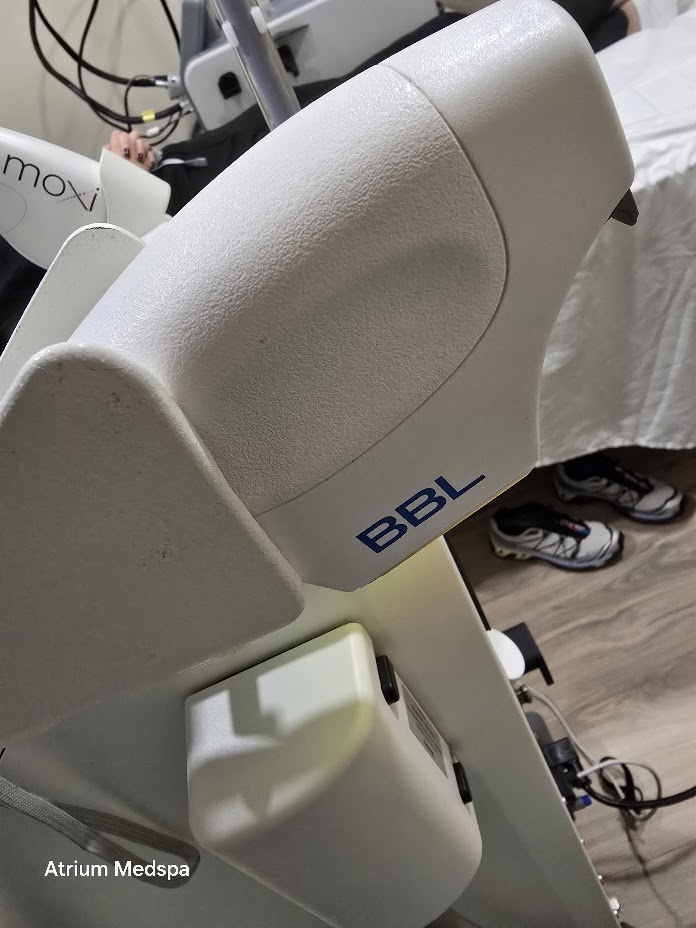
BBL is a form of intense pulsed light (IPL) treatment. Unlike a laser, which typically delivers a specific wavelength, BBL uses a range of light wavelengths selected through filters to address particular skin concerns. It’s a nonablative treatment, meaning it doesn’t intentionally remove the outer layer of skin.
The light is absorbed by targets such as melanin in unwanted brown spots and hemoglobin in visible blood vessels. That energy converts to heat, helping treat selected pigment and small vessels while your body gradually clears the treated material. Depending on the settings and your skin’s response, BBL may also support collagen remodeling and modest improvements in overall skin quality. The goal is a more even-looking complexion—not a change to your natural features.
What Does BBL Treat?
Common Treatment Indications
After a clinical evaluation, we may recommend BBL for concerns such as:
- Sunspots and age spots, also called solar lentigines
- Unwanted freckles and selected benign brown spots
- Uneven skin tone related to sun damage
- Persistent facial redness and visible vessels associated with rosacea
- Small, superficial facial blood vessels, sometimes called broken capillaries
- Selected cases of mild to moderate inflammatory acne, using an appropriate acne-focused protocol
- Subtle signs of photoaging, including fine lines and changes in skin texture
The face is a common treatment area, but we can also assess suitable concerns on the neck, chest, hands, arms, and other body areas. BBL isn’t a substitute for evaluating a new or changing skin lesion, and not every type of discoloration responds to light treatment.
BBL Treatment Modalities
BBL isn’t a one-setting-fits-all treatment. We select filters, pulse timing, energy, cooling, and treatment technique according to the concern we’re targeting and your skin type. Depending on the device configuration and clinical assessment, treatment approaches may include:
- Pigment-focused photorejuvenation: Targets selected superficial brown spots and uneven pigmentation associated with sun exposure.
- Vascular treatment: Addresses selected superficial vessels and background redness. It may improve visible signs of rosacea, but it doesn’t cure the underlying condition.
- Acne light treatment: Uses selected wavelengths to help address acne-associated bacteria and inflammation. It may complement a medical acne regimen rather than replace it.
Not every modality is appropriate for every patient or available on every system. During your consultation, we’ll explain which options are available and relevant to your goals. BBL is generally better suited to color-related concerns than deep wrinkles, significant skin laxity, or depressed acne scars.
Who Should Avoid or Postpone BBL?
Safe treatment depends on more than the concern you’d like to improve. Your natural skin tone, recent sun exposure, medical history, medications, and ability to follow aftercare instructions all influence candidacy. Your consultation helps us determine whether BBL is appropriate—or whether waiting or choosing a different treatment would be safer.
Contraindications and Precautions
Some conditions are reasons to avoid treatment, while others call for a delay, modified settings, or additional medical review. We may need to postpone, modify, or avoid BBL in the following situations:
- Recent tanning, sunburn, or self-tanner on the treatment area
- Active infection, an active cold sore, open wounds, or significantly irritated skin in the treatment area
- Pregnancy, when we generally defer elective cosmetic light treatments because safety data are limited
- Photosensitive medical conditions or medications that may increase sensitivity to the wavelengths used during treatment
- Current or recent isotretinoin (Accutane) use, which requires an individualized assessment before scheduling
- A suspicious, undiagnosed, or changing pigmented lesion, or known skin cancer in the proposed treatment area
- Conditions or a history of reactions that increase the risk of abnormal pigmentation, scarring, or poor healing
Darker skin tones require particular caution because natural skin pigment also absorbs light, increasing the risk of burns and unwanted pigment changes. Another treatment may be a better fit for some patients. Melasma also requires a different approach: heat and light can worsen it or trigger recurrent discoloration, so pigment-focused BBL isn’t automatically the right choice.
Please tell us if you’re breastfeeding, have a history of cold sores, have tattoos or permanent makeup near the treatment area, or have recently had other aesthetic procedures. We’ll avoid or protect tattoos and permanent makeup as appropriate. A history of cold sores may warrant preventive antiviral medication. Don’t stop a prescribed medication on your own; we’ll discuss any necessary changes with you and, when appropriate, your prescribing clinician.
Before-and-After BBL Treatment at Atrium
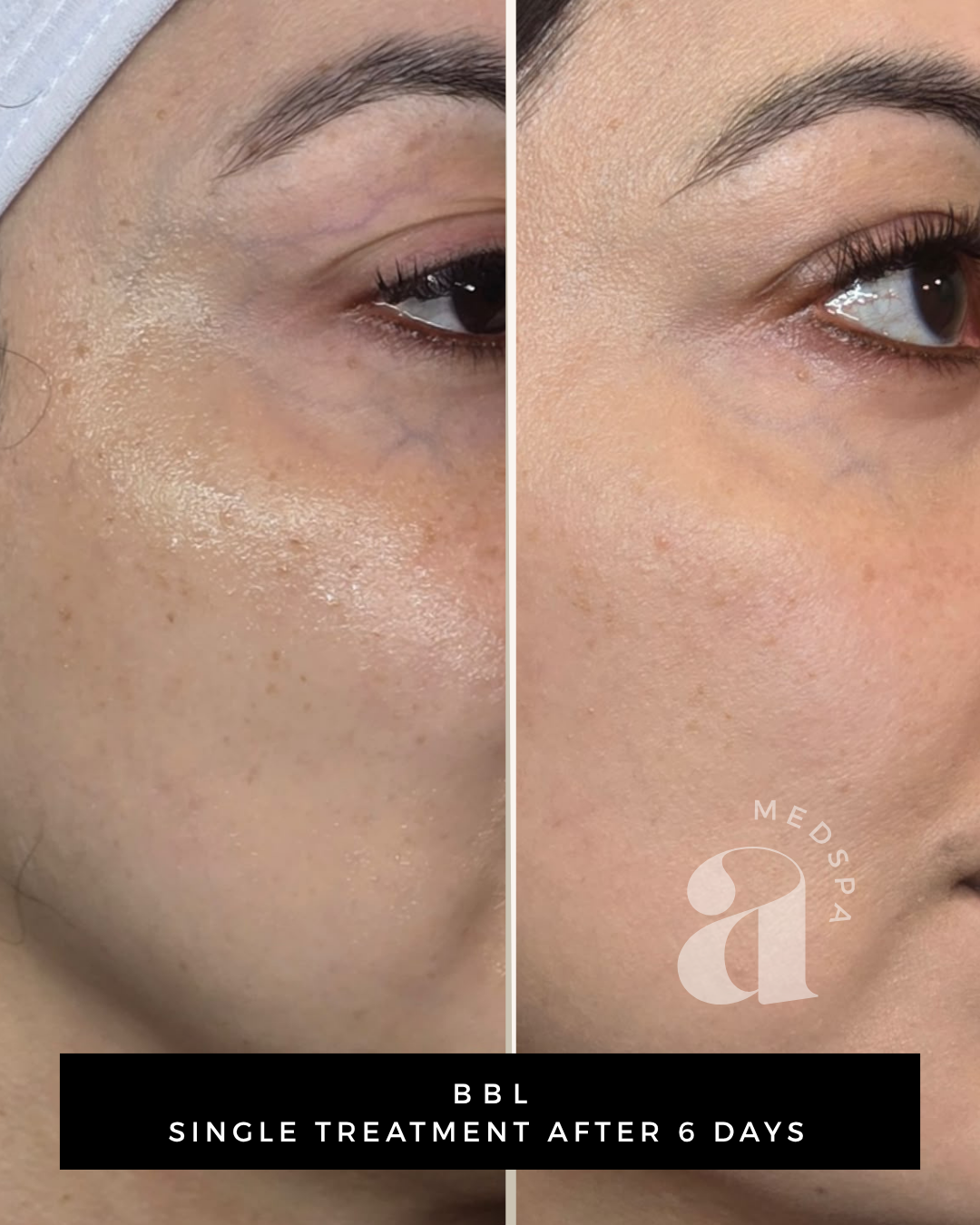
Before-and-after BBL treatment at Atrium. At 6 days post-procedure, this patient’s photos show fading of sunspots and freckles. Individual results and recovery times vary.
The Procedure and Comfort
Before the Procedure
When you schedule a BBL consultation, we’ll review your medical history, medications, skincare routine, recent sun exposure, and previous treatments. We’ll examine the areas you’d like to improve, distinguish treatable cosmetic concerns from anything that needs further evaluation, and discuss realistic expectations. We may recommend a test spot when appropriate.
Arrive with clean skin and follow your personalized preparation instructions. Avoid tanning and protect the area from sun exposure before treatment. We may ask you to temporarily pause irritating skincare products, such as retinoids or exfoliating acids, depending on your skin and treatment plan.
During the Procedure
You’ll wear protective eyewear while your provider uses a handheld applicator to deliver controlled pulses of light to the treatment area. Most patients describe brief warmth or a snapping sensation with each pulse. Tell your provider immediately if the sensation becomes unusually painful.
A facial treatment often takes approximately 20 to 30 minutes, although appointment length varies with the size of the area and the treatment approach. Larger areas or multiple concerns may require more time.
What to Expect After BBL
Your skin may feel warm and look mildly pink or swollen immediately after treatment. When we treat brown spots, the pigment may become darker over the next few days before developing a fine, speckled or “coffee-ground” appearance. Some spots may feel dry or slightly rough before gradually shedding. This temporary darkening can be an expected response to pigment-focused treatment—it doesn’t necessarily mean your pigmentation is getting worse.
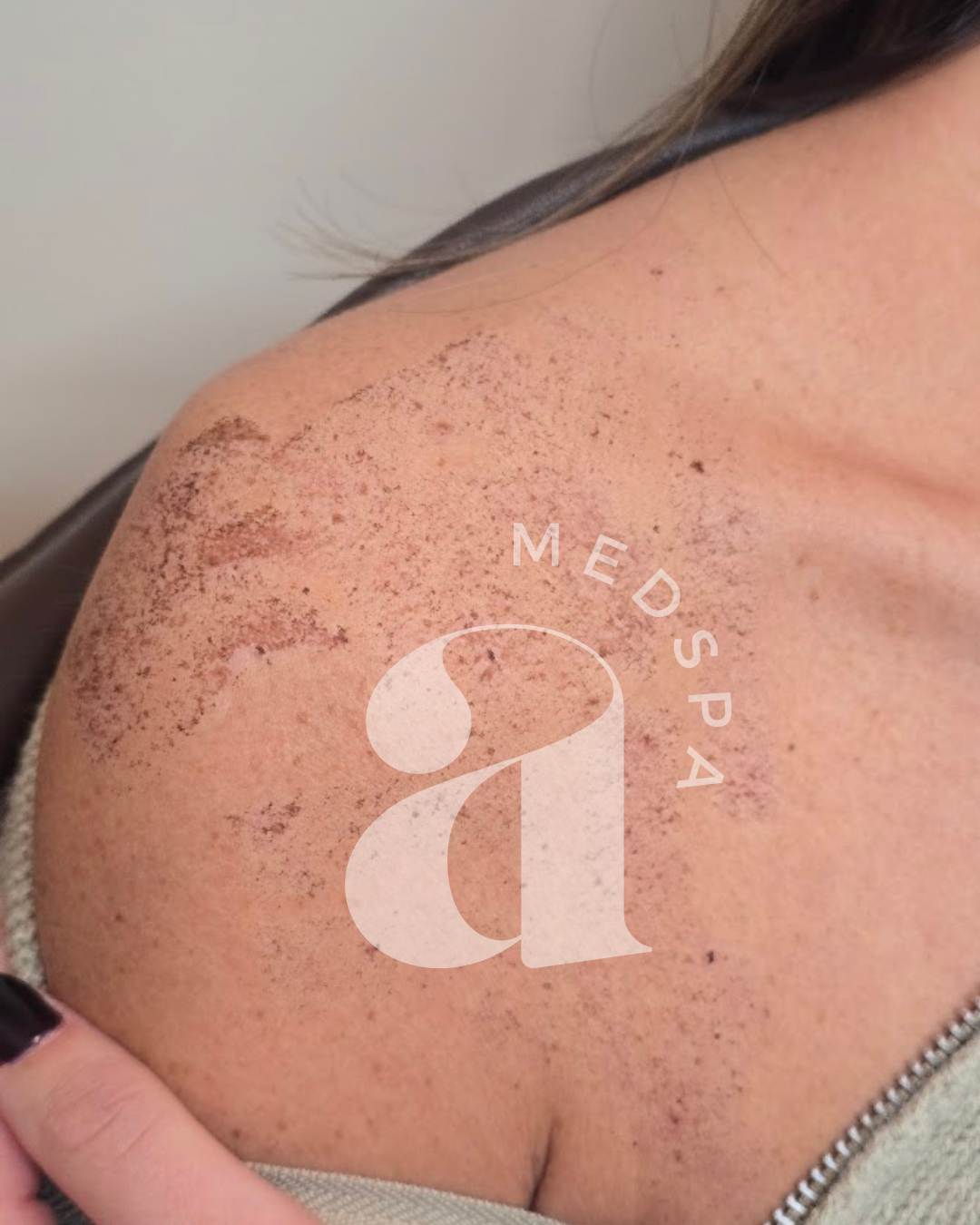
The temporary dark specks sometimes described as MENDs can resemble “coffee grounds.” They gradually shed as the treated skin heals, often within one to two weeks. Don’t pick or scrub them away.
You may hear these tiny dark specks referred to as MENDs, short for microscopic epidermal necrotic debris. In BBL aftercare, the term is sometimes used to describe the darkened, superficial treated material that gradually flakes away during healing. Your skin may feel slightly rough or dry while this happens. We’ll explain what’s expected for your treatment area and how to keep your skin comfortable.
Not everyone develops visible MENDs, speckling, or flaking, especially when we’re treating redness rather than brown spots. More shedding doesn’t necessarily mean better results, and a lack of visible flaking doesn’t mean treatment hasn’t worked.
Aftercare and Recovery
Many patients return to routine daily activities the same day, although visible redness, swelling, or darkened spots may remain. MENDs and treated pigment often shed over approximately one to two weeks, with some body areas taking longer. Your recovery depends on the settings, treatment location, and your skin’s response.
Let darkened spots and fine flakes release naturally. Don’t pick, scratch, scrub, or use exfoliating tools to remove MENDs or speed up shedding. Doing so can irritate healing skin and increase the risk of scarring or unwanted pigment changes. Keep the area moisturized as directed, and give your skin time to recover.
Use gentle skincare and protect the area with broad-spectrum SPF 30 or higher, protective clothing, and shade. Avoid tanning. Follow your provider’s instructions about exercise, heat exposure, makeup, exfoliation, and when to restart active skincare products. Your skin may look ready for your usual routine before it’s ready for potentially irritating ingredients.
Fine, dry flaking over treated pigment is different from blistering, raw or weeping skin, or severe pain. These aren’t changes to dismiss as normal MENDs. Contact us promptly if they occur or if redness, swelling, or discomfort is increasing rather than improving.
Results and Treatment Planning
Improvement develops gradually as treated pigment and vessels clear. Some patients notice a change after one session, but we often recommend a series. For facial photorejuvenation, an initial plan may include approximately three treatments spaced four to six weeks apart. Acne-focused and hair-reduction treatments follow different schedules.
Your results and maintenance needs depend on the condition we’re treating, your skin’s response, sun exposure, and ongoing skincare. BBL doesn’t stop aging or prevent new sun damage. We’ll reassess your progress and recommend additional treatment only when it’s appropriate for your skin and goals.
Side Effects and Safety
Common temporary effects include redness, warmth, mild swelling, tenderness, and darkening of treated pigment. Bruising or temporary crusting can also occur, particularly with certain vascular treatments. Recovery varies by treatment intensity, body area, and individual skin response.
Less common but important risks include burns, blistering, infection, cold sore reactivation, scarring, and lighter or darker patches of skin. Pigment changes can occasionally be long-lasting or permanent. Eye injury is a serious risk if appropriate protection isn’t used, which is why you’ll wear protective eyewear throughout treatment.
Careful patient selection, appropriate device settings, and consistent aftercare help reduce risk, but no treatment is risk-free. Contact us promptly if you develop blistering, severe or increasing pain, spreading redness, drainage, or other unexpected symptoms. Seek urgent medical evaluation for eye pain or any change in vision after treatment.
Frequently Asked Questions
It may be possible to include BBL in a broader treatment plan, but the order and spacing matter. Some treatments create inflammation or temporarily affect your skin barrier, so scheduling them too closely can increase irritation or complicate healing. Tell us about recent procedures and upcoming appointments so we can coordinate your care rather than stack treatments unnecessarily.
Plan ahead rather than scheduling your first session immediately before an important event. Your skin’s response isn’t completely predictable, and you may want time for a full treatment series and reassessment. Share your event date during your consultation so we can recommend a realistic timeline with room for recovery.
No. Cosmetic light treatment isn’t a skin cancer screening and doesn’t replace examinations recommended by your dermatologist. Keep monitoring your skin, and have any new, changing, bleeding, or nonhealing spot evaluated medically rather than assuming it’s a cosmetic concern.
The best time is when you can consistently limit sun exposure and follow your treatment plan. Many patients find fall and winter easier for that reason, but the calendar alone doesn’t determine whether you’re a good candidate. Outdoor work, sports, and upcoming sunny vacations are important considerations in any season.
Pricing depends on the treatment area, the concern we’re addressing, and the number of sessions we recommend. We’ll discuss your proposed plan and associated costs before you decide to proceed. Cosmetic BBL treatments are generally self-pay and aren’t covered by health insurance.
Written by Atrium Medspa Editorial Team & medically reviewed for accuracy by Michael Klein, MD, FACS. This content is intended solely for general education and should not be interpreted as medical advice or a recommendation for any specific treatment, medication, or procedure. No physician-patient relationship is created by your use of this content. Healthcare decisions should be made in consultation with a qualified licensed clinician who can evaluate your individual history, symptoms, risks, and goals. If you are experiencing a medical emergency, call 911 or seek immediate emergency care.
BBL and MOXI are trademarks of Sciton, Inc. Atrium Medspa is an independent practice and is not sponsored or endorsed by Sciton, Inc. These names are used to identify the technologies used in our treatments.
Have additional questions about BBL?
A clearer, more even-looking complexion starts with choosing the right treatment for your skin—not simply choosing a device. If you’d like to explore BBL, reach out to our team or schedule a consultation. We’ll answer your questions, evaluate your concerns, and help you understand your options without pressure. Call today or book online to take the next step toward skin you feel confident in.