



GLP-1 Weight Loss: The Shift to Oral Pills
MAY 20, 2026 || Losing weight can sound simple on paper: eat better, move more, stay consistent. Real life is rarely that simple. Many adults are juggling work, kids, commuting, errands, stress, poor sleep, and a calendar that never seems to slow down. When every day feels like a sprint, healthy meals often give way to takeout, exercise gets pushed to “tomorrow,” and weight can slowly creep up despite good intentions.
That extra weight isn’t just about appearance: it can affect energy, confidence, sleep, joint pain, blood pressure, blood sugar, and how people feel in and about their bodies every single day. Over time, carrying excess weight can also raise the risk of serious long-term problems, including heart disease, diabetes, kidney disease, and reduced longevity. Just as importantly, it can reduce quality of life in the present: less stamina, more discomfort, and the feeling that your health is becoming harder to control.
For many people, this is where GLP medications enter the picture. While these drugs aren’t magic, they can make the medical weight loss journey more accessible and achievable. For the right patient, under medical supervision, they can lower appetite, improve fullness, and help people finally gain traction when lifestyle changes alone have not been enough.
What the GLP-1 medications do
GLP-1 stands for glucagon-like peptide-1, a hormone the body naturally releases after eating. In essence, GLP-1 helps the body recognize that food has come in and it signals the pancreas to release insulin when needed, helps reduce excess glucagon, slows how quickly the stomach empties, and sends “I’m getting full” signals to the brain. The combined effect is lower appetite, better blood sugar control, and often less food intake over time.
That combination matters because weight gain isn’t only about willpower (if it were only that simple!). Hunger, fullness, cravings, blood sugar swings, and the rate of gastric (stomach) emptying all influence how much people eat and how hard it feels to stay on plan. GLP-1 drugs work by nudging those biological systems in a more favorable direction.
Some of the best-known drugs in this category include:
- Ozempic: semaglutide, FDA-approved for type 2 diabetes.
- Wegovy: semaglutide, FDA-approved for chronic weight management in adults with obesity or overweight with related conditions.
- Rybelsus: oral semaglutide, FDA-approved for type 2 diabetes.
- Mounjaro: tirzepatide, FDA-approved for type 2 diabetes.
- Zepbound: tirzepatide, FDA-approved for chronic weight management, and later also approved for obstructive sleep apnea in certain patients with obesity.
Tirzepatide is often discussed alongside GLP-1 drugs because it activates GLP-1 pathways and also acts on another hormone called GIP (gastric inhibitory polypeptide). In practice, patients and clinics often group it into the same conversation because the goals are similar: lower appetite, improve metabolic control, and support substantial weight loss.
What the major trials showed
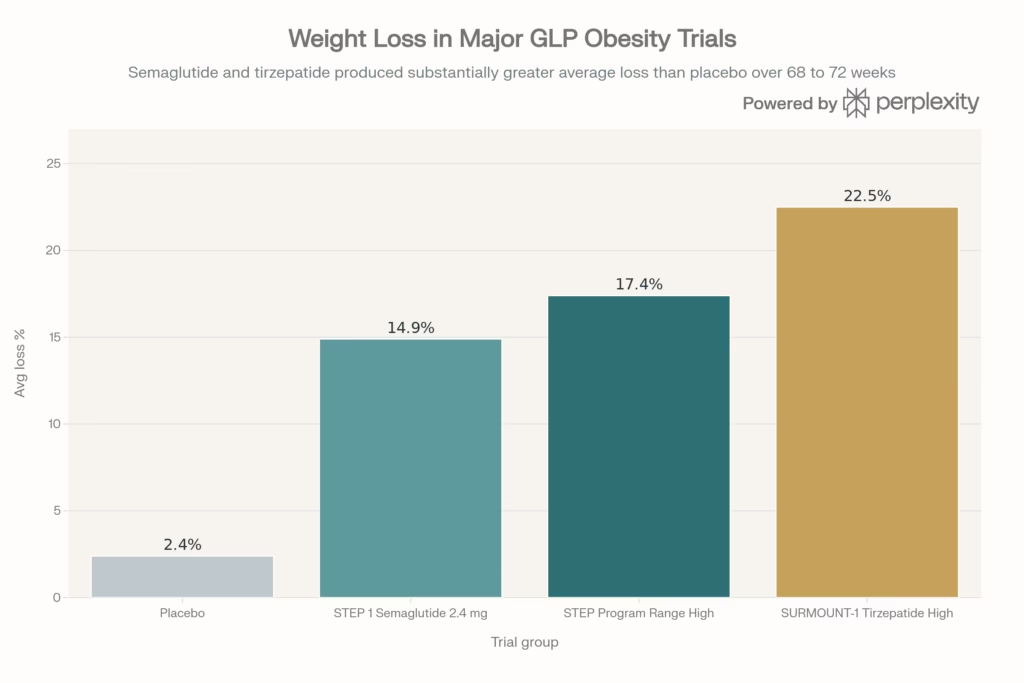
The results from the major obesity trials are one reason this field has changed so quickly. In the STEP 1 trial, people with obesity or overweight who took semaglutide 2.4 mg weekly lost an average of 14.9% of body weight at 68 weeks, compared with 2.4% with placebo. Broader reviews of the STEP program found average losses around 14.9% to 17.4% across multiple semaglutide obesity trials in people without diabetes, with many participants achieving at least 10% or 15% weight loss.
Tirzepatide raised the bar even further in SURMOUNT-1. In that 72-week obesity trial, participants lost roughly 16% to 22.5% of body weight depending on the dose, with the highest doses approaching weight-loss numbers that were once associated mainly with bariatric procedures rather than medication.
Those numbers matter because they represent a level of efficacy that feels meaningful. This is no longer the era of medications that produce only modest, disappointing change, are difficult or cubersome to take, or produce seriously-unwanted side effects. For many patients, these drugs can create enough progress to improve blood pressure, mobility, confidence, glucose control, and the ability to sustain healthier habits.
The benefits go beyond the scale
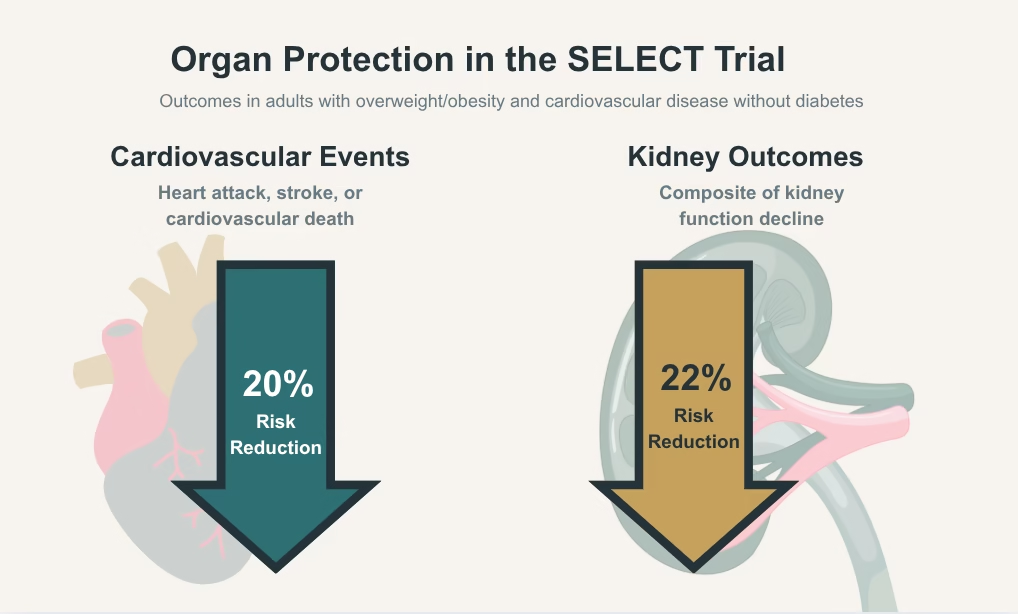
The story has also grown beyond diabetes and body weight; newer studies have shown that semaglutide can reduce major cardiovascular events (e.g. stroke and heart attack) in people with overweight or obesity and established cardiovascular disease, even in patients without diabetes. In the SELECT trial, semaglutide was associated with a 20% reduction in major adverse cardiovascular events compared with placebo.
Kidney outcomes have also looked encouraging. A pre-specified kidney analysis from SELECT found a 22% reduction in a composite kidney outcome with semaglutide compared with placebo in people with overweight or obesity. Other research and reviews suggest these medications may also improve blood pressure, triglycerides, non-HDL cholesterol, and other markers of cardiometabolic health.
This matters because obesity isn’t just a cosmetic issue — it’s a whole-body condition that affects the heart, kidneys, metabolism, joints, sleep, and daily function. A treatment that improves several organ systems at once is very different from one that simply lowers a number on a scale.
Why these drugs have mostly been injections
For a long time, one major barrier has been the route of administration. Most high-impact GLP-based drugs have been injectables, usually taken once weekly. That’s not because pharmaceutical companies wanted to make them harder to use, but because these drugs are peptides, and peptides tend to break down in the stomach and gut before enough of the medication can be absorbed into the bloodstream.
That science created a practical problem: even patients who liked the results often hesitated at the idea of self-injections. Some dislike needles, some feel intimidated by the process, and some simply don’t want a treatment that feels medicalized or inconvenient. For a meaningful number of people, that barrier alone has kept them from starting therapy.
Rybelsus: an important step in oral GLP-1 therapy, but with real limitations
Rybelsus was a major milestone, bringing semaglutide into tablet form for the first time. Unfortunately, it hasn’t changed the market to the same degree as injectable Wegovy or Ozempic, and there are good reasons for that: because oral semaglutide is still peptide-based, its absorption is finicky at best. It has to be taken on an empty stomach, with no more than 4 ounces of plain water, and patients must wait at least 30 minutes before eating, drinking anything else, or taking other oral medications.
That routine may sound manageable, but in the real world it can be annoying and easy to get wrong. Busy mornings are exactly when many patients are rushing to get kids ready, answer messages, commute, or take multiple medications. When a drug comes with rigid administration rules, adoption tends to suffer.
There is also the issue of indication and expectations. Rybelsus is approved for type 2 diabetes, not obesity, and it has not become the dominant weight-loss option in the way injectable semaglutide and tirzepatide products have. It remains useful in selected patients, but it has not fully solved the “effective oral GLP” problem.
The rise of compounded GLP-1 weight loss medications
At the same time, many medspas and wellness clinics have widely prescribed compounded semaglutide or tirzepatide, especially during periods of high demand and limited supply. While federal rules originally permitted pharmacies to make these compounded copies because the brand-name drugs were on the FDA’s official shortage list, that temporary exception no longer applies now that the pharmaceutical supply chain has stabilized. Because they can no longer legally produce exact copies of the drugs, many compounding pharmacies skirt FDA rules by combining GLP-1s with other ingredients, such as B vitamins, to exploit a loophole for ‘customized’ medications. And even so, the popularity of these drugs has continued to be driven by convenience, marketing, and access. For patients, compounded versions have often looked like a simpler or more available path into treatment.
The problem is that compounded drugs are not FDA-approved, and they do not go through the same FDA premarket review for safety, effectiveness, and quality as approved brand-name medications. The FDA has specifically warned that compounded GLP products can pose higher risks and may involve dosing errors or ingredients that are not the same as the active ingredients in the approved products.
It’s important to note that this doesn’t mean every compounded product is automatically harmful. It does mean the evidence base is different. Compounded versions have not been validated in the same large, randomized trials that built the safety and efficacy profiles for drugs like Wegovy, Ozempic, Zepbound, Mounjaro, or Rybelsus. That distinction matters when patients are making decisions about both risk and reliability.
Orforglipron: the first true viable oral GLP-1 option
This is where Foundayo (orforglipron) has generated so much interest. Orforglipron is an non-peptide, small-molecule oral GLP-1 receptor agonist. In practical terms, “non-peptide” means it is not built like the protein-like GLP drugs that are easily broken apart in the digestive tract. That makes it much more suitable for oral delivery.
That chemistry difference is not just a technical footnote. It could solve one of the biggest adoption problems in this field: how to deliver meaningful GLP-like efficacy in a pill that is simple to take. Reports from the program indicate that orforglipron can be taken without the strict food and water restrictions that complicate Rybelsus, making it a much more user-friendly oral option.
The drug also appears easy to titrate in the way patients and clinicians already understand from the injectable GLP world: start low, increase gradually, and manage gastrointestinal side effects through dose escalation when appropriate. That kind of stepwise dosing is familiar, clinically practical, and often more acceptable to patients than “jumping in” at a full dose.
How orforglipron compares on results
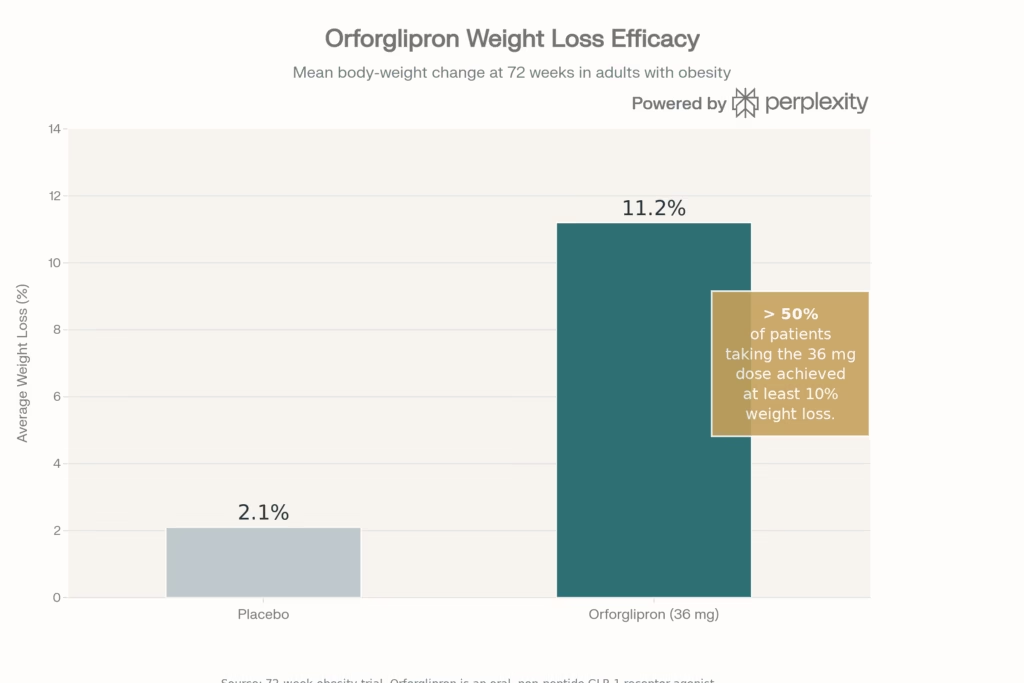
The key question, of course, is whether convenience comes at the expense of efficacy. So far, the answer looks encouraging. In a 72-week obesity trial, mean body-weight change was 11.2% with the 36 mg dose of orforglipron, compared with 2.1% with placebo, and more than half of patients on the 36 mg dose achieved at least 10% weight loss.
Those numbers are strong for an oral drug, but they still appear lower than the best published weight-loss outcomes seen with injectable semaglutide 2.4 mg and especially high-dose tirzepatide in obesity trials. Semaglutide in STEP 1 produced average weight loss of 14.9%, while tirzepatide in SURMOUNT-1 reached roughly 16% to 22.5% depending on dose. In other words, orforglipron may not yet beat the top injectable performers on weight loss, but it narrows the gap enough to make the “effective oral GLP” category much more realistic.
Why FDA-approved options matter
This is one reason many forward-looking clinics are paying close attention to FDA-approved or late-phase, rigorously studied versions of these medications rather than relying on loosely standardized alternatives. When a drug is FDA-approved, its manufacturing, dosing, labeling, safety monitoring, and efficacy claims rest on a far stronger scientific foundation than a compounded substitute marketed through hype.
That scientific backing matters to patients. It means the medication has been tested in large studies, the dose is known, the expected side effects are better characterized, and the risk-benefit discussion is grounded in real evidence. In a category as important as obesity medicine and metabolic health, that extra layer of rigor is not a luxury. It is part of what makes treatment safer and more trustworthy (along with the providers being certified, well-trained and licensed; see more about how to choose the right medspa here).
Final thought
The GLP journey is really about more than one drug class. It is about finally recognizing that weight loss is not a character test. It is a biologic, behavioral, and lifestyle challenge happening in the middle of real life. For people who have struggled despite trying, modern GLP-based therapies offer something many have not felt in years: a treatment path that is evidence-based, medically meaningful, and capable of improving both longevity and daily quality of life.
Written by Atrium Medspa Editorial Team & medically reviewed for accuracy by Michael Klein, MD, FACS. This content is intended solely for general education and should not be interpreted as medical advice or a recommendation for any specific treatment, medication, or procedure. No physician-patient relationship is created by your use of this content. Healthcare decisions should be made in consultation with a qualified licensed clinician who can evaluate your individual history, symptoms, risks, and goals. If you are experiencing a medical emergency, call 911 or seek immediate emergency care.
Ready to start your weight loss journey? See if any of these options, including needle-free options, are right for you.