



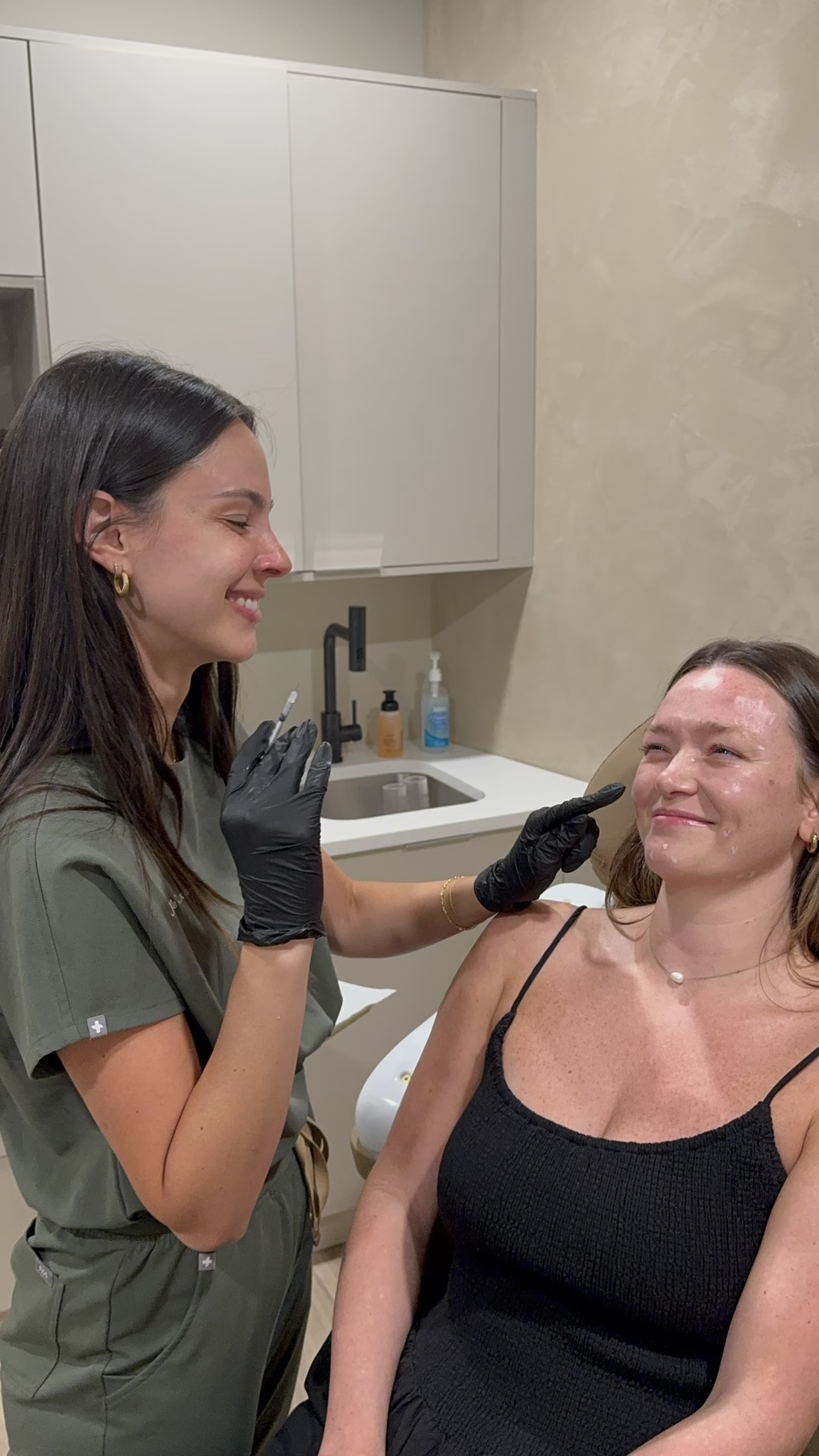
MAY 1, 2026 || Botox is one of the most well-known aesthetic treatments available, but if it’s your first time, it’s normal to have questions about how it works, what it feels like, and what kind of results to expect. A little upfront knowledge can make the process feel much more straightforward and help you approach treatment with realistic expectations.
One important detail many first-time patients don’t realize is that “Botox” is actually a brand name. It belongs to a category of medications called neuromodulators (neurotoxin), which all work in a similar way to relax targeted muscles and soften wrinkles. Other FDA-approved neuromodulators include Jeuveau, Dysport, and Xeomin, among others. While each has slightly different characteristics, they are often used interchangeably depending on your goals, anatomy, and provider preference.
Why People Choose Botox (and Other Neuromodulators)
While Botox is the most recognized name, other neuromodulators like Dysport, Xeomin, and Jeuveau are also widely used and FDA-approved.
Differences can include:
- Onset speed (some may work slightly faster)
- Diffusion (how much the product spreads in tissue)
- Formulation (Xeomin, for example, has no accessory proteins)
In practice, all of these products are effective when used appropriately. The choice often comes down to provider experience and what works best for your specific anatomy.
Neuromodulators are designed to treat dynamic wrinkles—lines that form from repeated facial expressions over time. These include forehead lines, frown lines between the eyebrows, and crow’s feet around the eyes.
For first-time patients, the goal is typically subtle and preventative. Many people aren’t looking for dramatic change—they want to soften existing lines, prevent deeper wrinkles from forming, and look more refreshed without losing natural expression. When done well, the result should look like you, just more rested.
How Botox and Other Neuromodulators Work
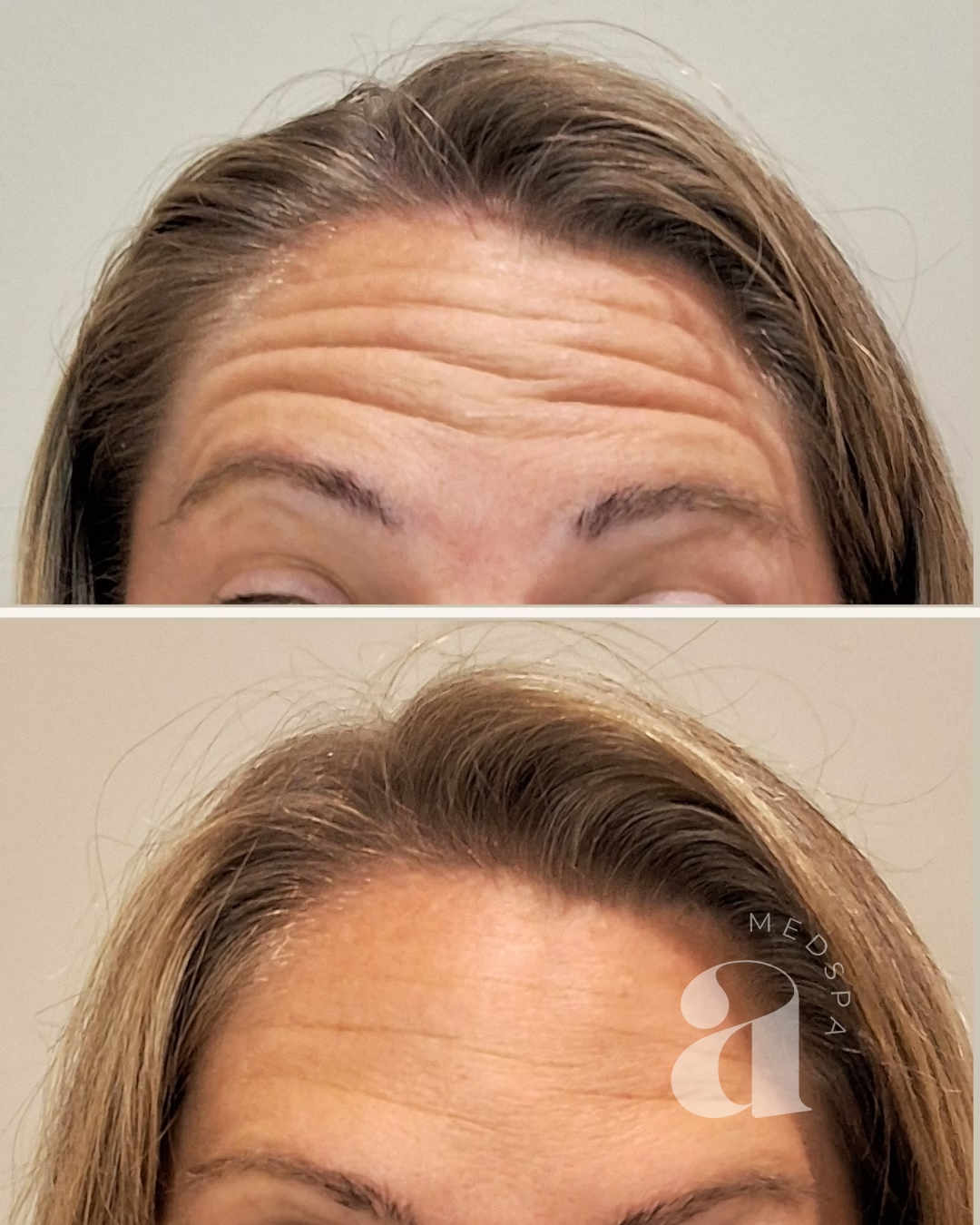
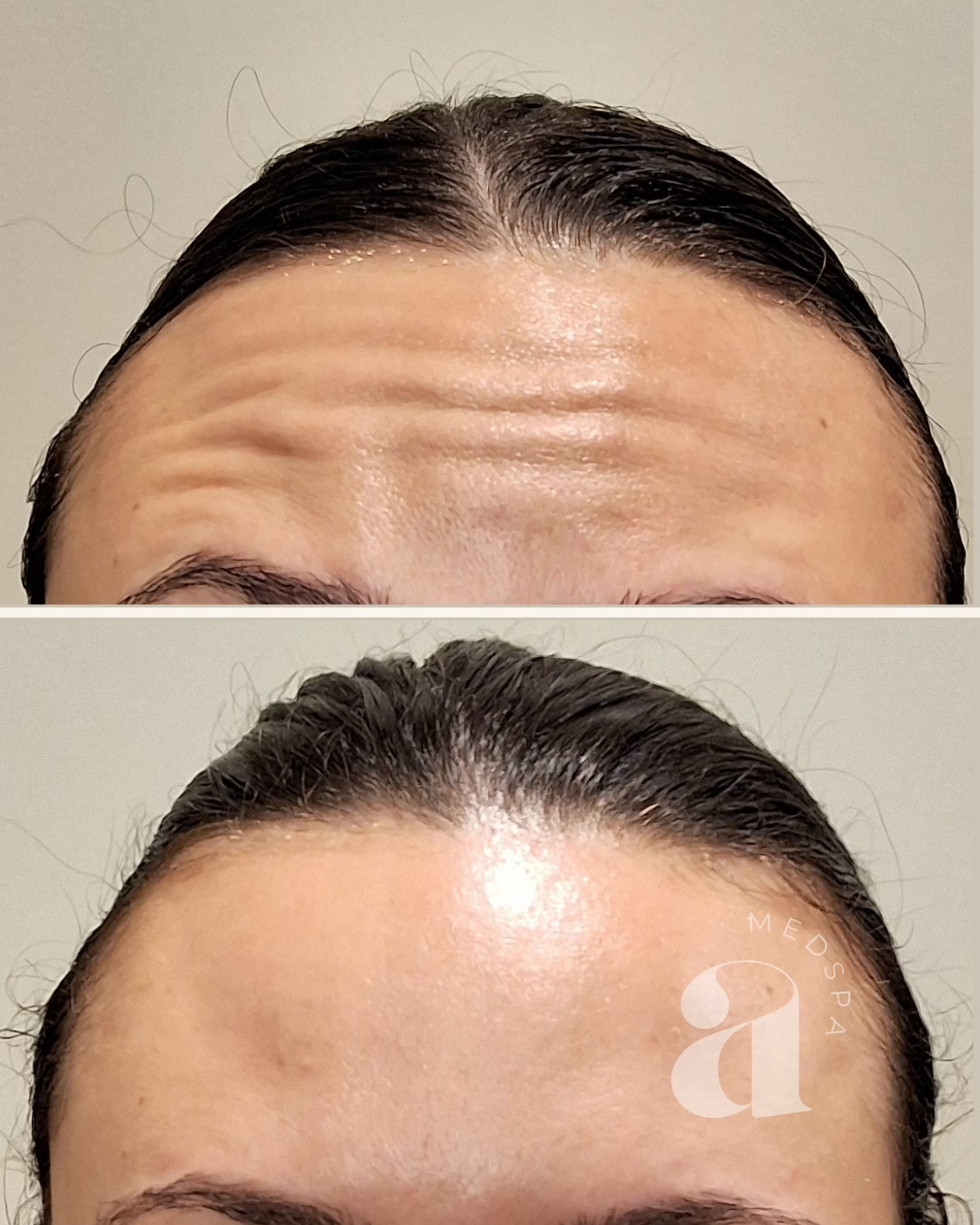
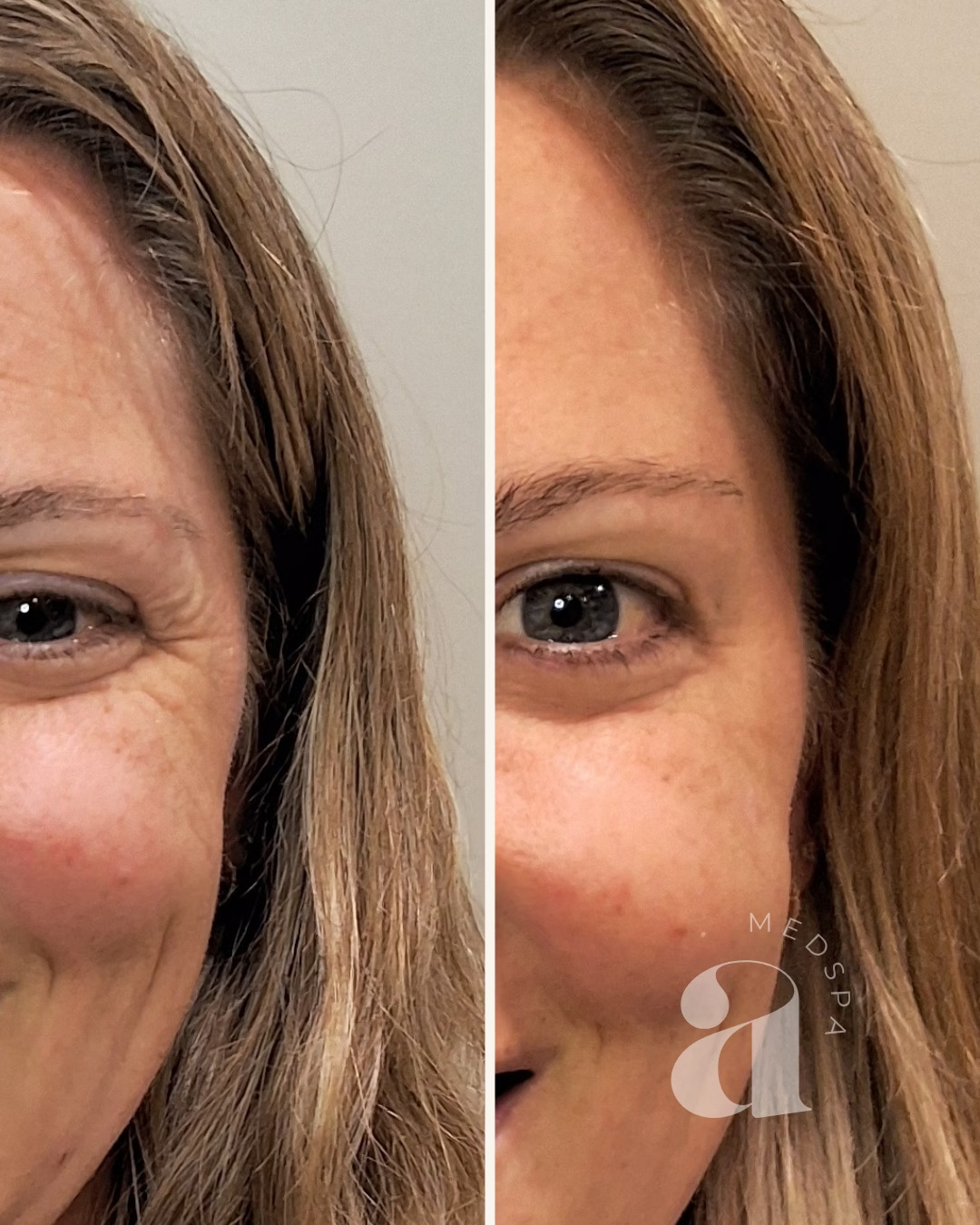
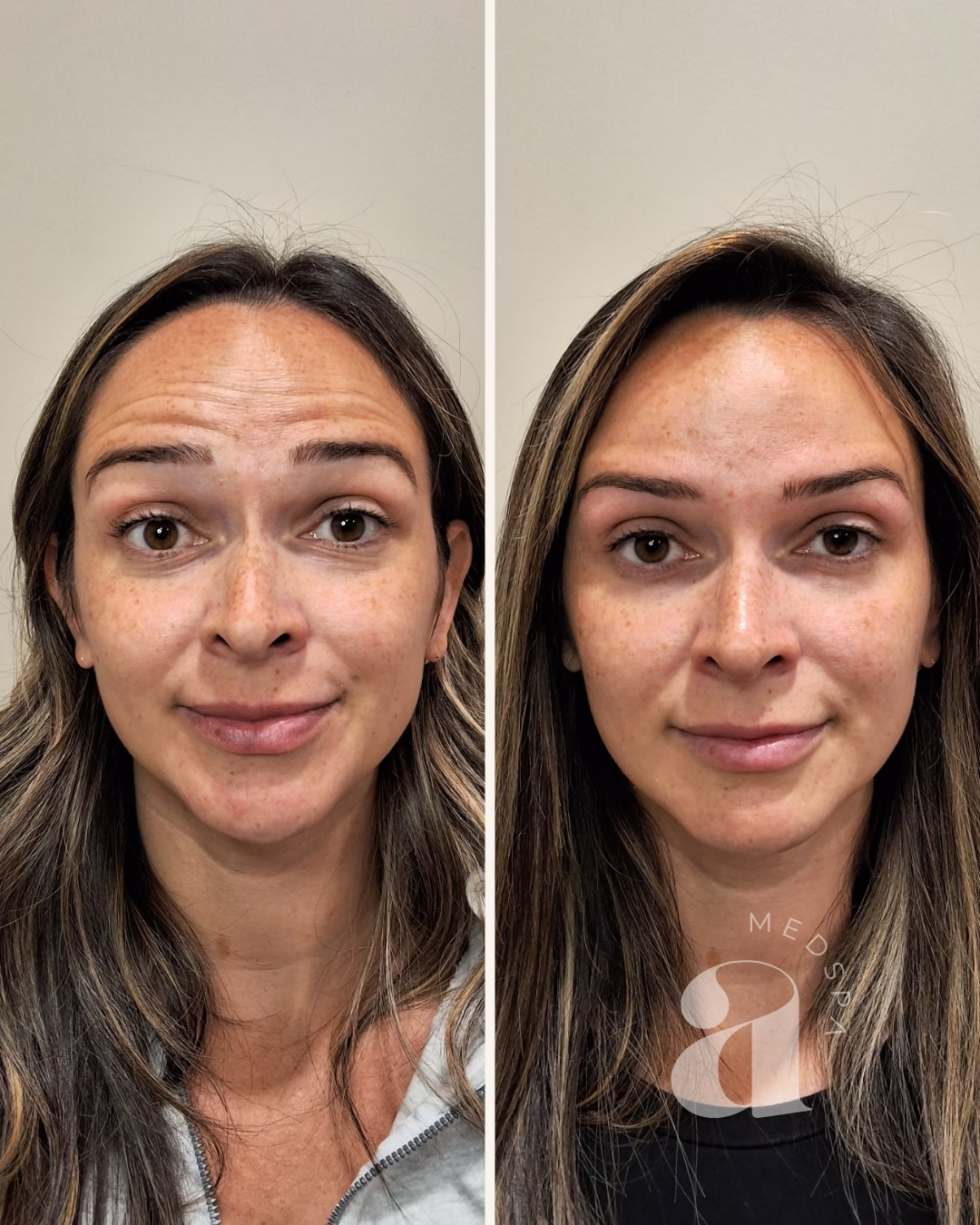
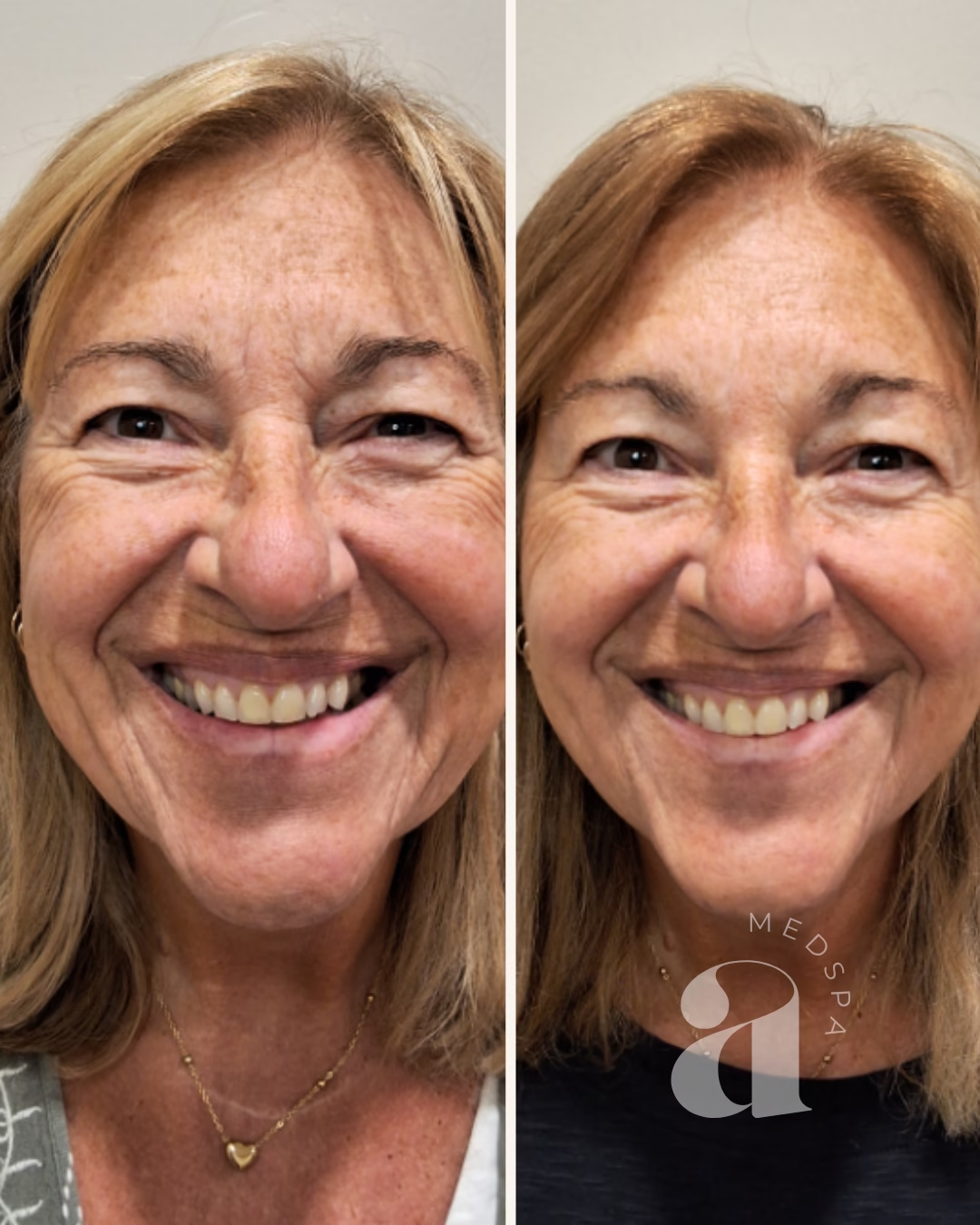
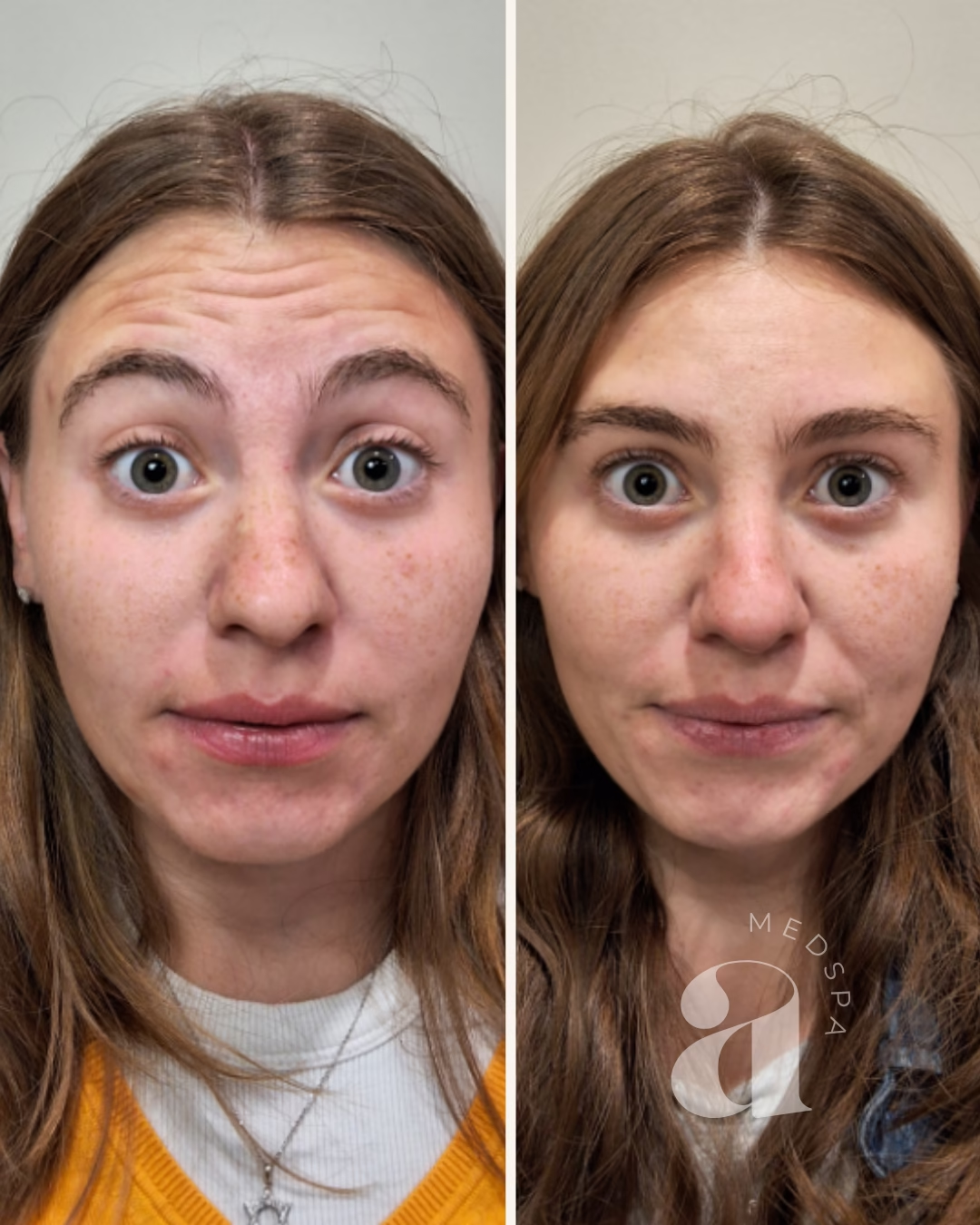
Botox and similar products work by temporarily blocking signals between nerves and specific facial muscles. This reduces muscle contraction in targeted areas, allowing the overlying skin to smooth out.
The effect is localized and controlled, which is why precise injection technique matters. A skilled injector can soften wrinkles while maintaining natural movement in untreated areas.
Results are not immediate. Most patients begin to see changes within 3 to 5 days, with full results developing around 10 to 14 days after treatment. The effects typically last 3 to 4 months, though this can vary depending on metabolism, muscle strength, and treatment area.
What to Do Before Your First Botox Treatment
Preparation is simple but can make a difference in reducing bruising and optimizing your experience. Before your neurotoxin appointment, you should:
- Avoid alcohol for 24 hours prior
- Limit blood-thinning medications or supplements (such as aspirin, ibuprofen, fish oil, or vitamin E) if medically appropriate
- Arrive with clean skin, ideally without makeup
If you have an upcoming event, schedule your appointment at least 2 weeks in advance to allow full results to develop and any minor bruising to resolve.
What to Expect During Your Appointment
A first-time Botox appointment is usually quick and straightforward, often completed in 10 to 20 minutes.
Your provider will:
- Evaluate your facial anatomy both at rest and in motion
- Discuss your goals and areas of concern
- Recommend a treatment plan, including product choice and dosing
- Mark precise injection points
- Perform a series of small injections with a very fine needle
Most patients describe the sensation as brief pinching or pressure. No anesthesia is required, and there is minimal disruption to your day.
How Much You’ll Need
Dosing varies based on your facial anatomy, muscle strength, and desired outcome. First-time patients are often treated more conservatively to avoid overcorrection.
For example:
- Forehead lines often require lighter dosing to preserve natural movement
- Frown lines may need slightly stronger dosing due to deeper muscle activity
- Crow’s feet are treated based on how strongly the area activates when you smile
A thoughtful approach focuses on balance, symmetry, and gradual improvement rather than aggressive treatment.
What to Expect After Treatment
There is little to no downtime after Botox or other neuromodulator injections, but following aftercare instructions helps ensure optimal results.
- Stay upright for about 4 hours
- Avoid strenuous exercise for the rest of the day
- Do not rub or massage the treated areas
- Avoid facials, lasers, or skin treatments for about 24 hours
You may notice mild redness, swelling, or small bumps at the injection sites immediately after treatment. These usually resolve within a few hours.
Cheaper Isn’t Always Better: Why Choosing the Right Provider Matters
Where you get treated is just as important as what product is used. Botox and other neuromodulators are medical treatments, and outcomes depend heavily on the injector’s training, experience, and judgment.
Lower pricing can sometimes be a red flag rather than a benefit. In recent years, there have been increasing reports of counterfeit or improperly sourced neurotoxins being used in non-reputable settings, which can lead to poor results and, in some cases, serious health risks.
A reputable medical practice will:
- Use only FDA-approved, properly sourced products
- Have trained and licensed medical professionals performing injections
- Provide a thorough consultation and individualized treatment plan
- Be transparent about pricing, dosing, and expected outcomes
Choosing a qualified provider helps ensure both safety and results that look natural and balanced.
Common Misconceptions
A common concern is that Botox will make your face look frozen or unnatural. In reality, that outcome is typically the result of over-treatment or poor technique. When done correctly, results are subtle and maintain natural expression.
Another misconception is that Botox is only for older patients. Many people now start earlier as a preventative measure, treating movement patterns before deep lines become etched into the skin.
A Simple First-Time Approach
If you’re new to neuromodulators, it’s usually best to start small and build gradually. Ease into neurotoxin treatment by:
- Treating one or two areas first
- Using conservative dosing
- Reassessing at a 2-week follow-up and adjust if needed
This approach allows you to understand how your face responds and ensures results stay natural and tailored to you.
If you’re ready to explore neuromodulator options, come see a qualified, licensed professional at Atrium for a free consultation.
Written by Atrium Medspa Editorial Team & medically reviewed for accuracy by Michael Klein, MD, FACS. This content is intended solely for general education and should not be interpreted as medical advice or a recommendation for any specific treatment, medication, or procedure. No physician-patient relationship is created by your use of this content. Healthcare decisions should be made in consultation with a qualified licensed clinician who can evaluate your individual history, symptoms, risks, and goals. If you are experiencing a medical emergency, call 911 or seek immediate emergency care.
Frequently Asked Questions
Is Botox the same as Jeuveau, Dysport or Xeomin?
Botox is a brand name within a category of medications called neuromodulators. Other options, such as Jeuveau, work in a very similar way by relaxing targeted facial muscles to reduce wrinkles. While there are small differences in how these products spread or how quickly they take effect, all are FDA-approved and effective when used by an experienced injector.
How long does Botox last the first time?
For most first-time patients, results last about 3 to 4 months. In some cases, it may wear off a little sooner depending on how quickly your body metabolizes the product. With consistent treatments over time, results may sometimes last longer as the treated muscles begin to contract less strongly.
When will I see results?
You may start to notice changes within 3 to 5 days after treatment, but full results typically develop around 10 to 14 days. That is why it is best to schedule your appointment at least two weeks before any major event or photo-worthy occasion.
Will I still be able to move my face?
Yes. When properly performed, Botox and similar neuromodulators soften excessive muscle movement while still allowing for natural facial expression. The goal is not to freeze your face, but to reduce lines in a way that still looks balanced, refreshed, and like you.
Is there any downtime after treatment?
There is little to no downtime after treatment, and most patients return to normal daily activities right away. You may have mild redness, swelling, or small bumps at the injection sites for a short time, but these usually resolve within a few hours. It is still best to avoid strenuous exercise, lying flat, rubbing the area, or scheduling a facial for the rest of the day.
How do I choose the right Botox provider in New Jersey?
Look for a reputable medical provider with proper licensing, strong clinical experience, and a clear focus on natural-looking results. It is important to choose a practice that uses authentic, FDA-approved products and performs a thorough consultation before treatment. Be cautious of pricing that seems unusually low, because cheaper is not always better. There have been increasing reports of counterfeit or improperly sourced injectable products being used in non-reputable settings, and those situations can lead to poor outcomes and serious safety risks. A qualified provider should be transparent about the product being used, the dose, the expected results, and the credentials of the person performing the treatment.