
FEBRUARY 24, 2026 || Winter offers several advantages that make it the most favorable season to begin laser hair removal, both from a biological standpoint and from a practical, lifestyle perspective. Our hair growth cycle usually dictates that multiple treatments (3-6) are needed for effective control, and timing these to start in the winter means that your skin will be ready for summer when it comes.
How laser hair removal interacts with the hair cycle
Laser hair removal is most effective on hairs in the anagen phase, the active growth phase in which the follicle is fully attached to the hair bulb and rich in pigment. In this stage, laser energy can travel down the hair shaft into the follicle and significantly impair its ability to grow hair in the future.
Hair across a given area does not grow in unison. At any moment, individual follicles are distributed among three main stages of the cycle:
- Anagen (growth): the target phase for laser, when the follicle is actively producing a pigmented hair.
- Catagen (transition): a brief involution phase in which the follicle detaches from the blood supply and activity slows.
- Telogen (resting/shedding): the hair is released or shed, and the follicle remains relatively quiet before reentering anagen.
Because follicles enter and exit anagen asynchronously, only a fraction of hairs in any area are in the ideal treatment phase during a single session. This explains why a course of laser hair removal is structured as a series of treatments rather than a single visit.
Why multiple treatments several weeks apart are needed
A typical plan involves several sessions spaced weeks apart to track the natural rhythm of the hair cycle. Each appointment captures a new cohort of follicles that have cycled into anagen. Over time, repeated exposure during this phase leads to:
- Progressive reduction in the number of active follicles
- Regrowth that is finer, lighter, and slower where hair persists
- A cumulative decrease in overall hair density in the treated area
The requirement for multiple, timed sessions makes calendar planning an important part of achieving smooth, long‑lasting results.
Seasonal factors that favor winter treatments
Winter conditions align well with both the biology of the treatment and the practicalities of aftercare:
- Lower ambient UV exposure: Shorter days, weaker sunlight, and heavier clothing naturally limit sun contact on treated areas, which is important because skin is more photosensitive after laser.
- Easier adherence to sun‑avoidance guidelines: Recommendations such as avoiding tanning, minimizing direct sun, and using diligent sunscreen are easier to follow when outdoor, skin‑exposed activities are less frequent.
- More predictable schedules: Holiday travel aside, many individuals find it simpler to maintain regular appointments in late winter than during a busy spring and summer filled with vacations, beach days, and events.
This combination of reduced UV stress and more controllable routines supports safer, more consistent progress through the series.
Timing treatments in winter to be ready for summer
Beginning a series toward the end of winter allows several sessions to be completed before peak summer. With treatments commonly scheduled four to eight weeks apart, starting in late February or early March means:
- Multiple anagen cycles can be targeted before the warmest months.
- Visible reductions in hair growth are likely by late spring, when clothing tends to become lighter and skin more exposed.
- The most intense phase of the series can be completed before sun exposure and outdoor activities dramatically increase.
By the time summer arrives, many of the most active follicles in areas such as the underarms, bikini line, or lower face have already been addressed, shifting the focus from building results to maintaining them.
Impact on ingrowns, irritation, and comfort
Seasonal timing also influences common concerns such as ingrown hairs and razor irritation. As laser treatments progressively thin and soften the hair, winter‑initiated series often lead to:
- Fewer coarse, tightly curled hairs that are prone to becoming ingrown.
- Reduced need for aggressive shaving or waxing in high‑friction areas, such as the bikini line and underarms.
- Calmer skin heading into the hot, humid months, when sweat, friction, and frequent hair removal can otherwise trigger more irritation.
For individuals with a history of ingrowns or razor bumps, this earlier intervention can meaningfully improve comfort during summer.
Considerations for starting in spring or summer
Although treatment can often be continued year‑round with appropriate precautions, initiating a new series in late spring or summer introduces challenges:
- Increased sun exposure and tanning may heighten the risk of post‑treatment sensitivity or pigment changes.
- Recent sunburn or intense UV exposure can necessitate delaying sessions, interrupting the ideal timing between treatments.
- High‑activity schedules may make it harder to maintain consistent appointments and adhere to aftercare recommendations.
For these reasons, many clinicians recommend beginning a series during the cooler, lower‑UV months whenever possible.
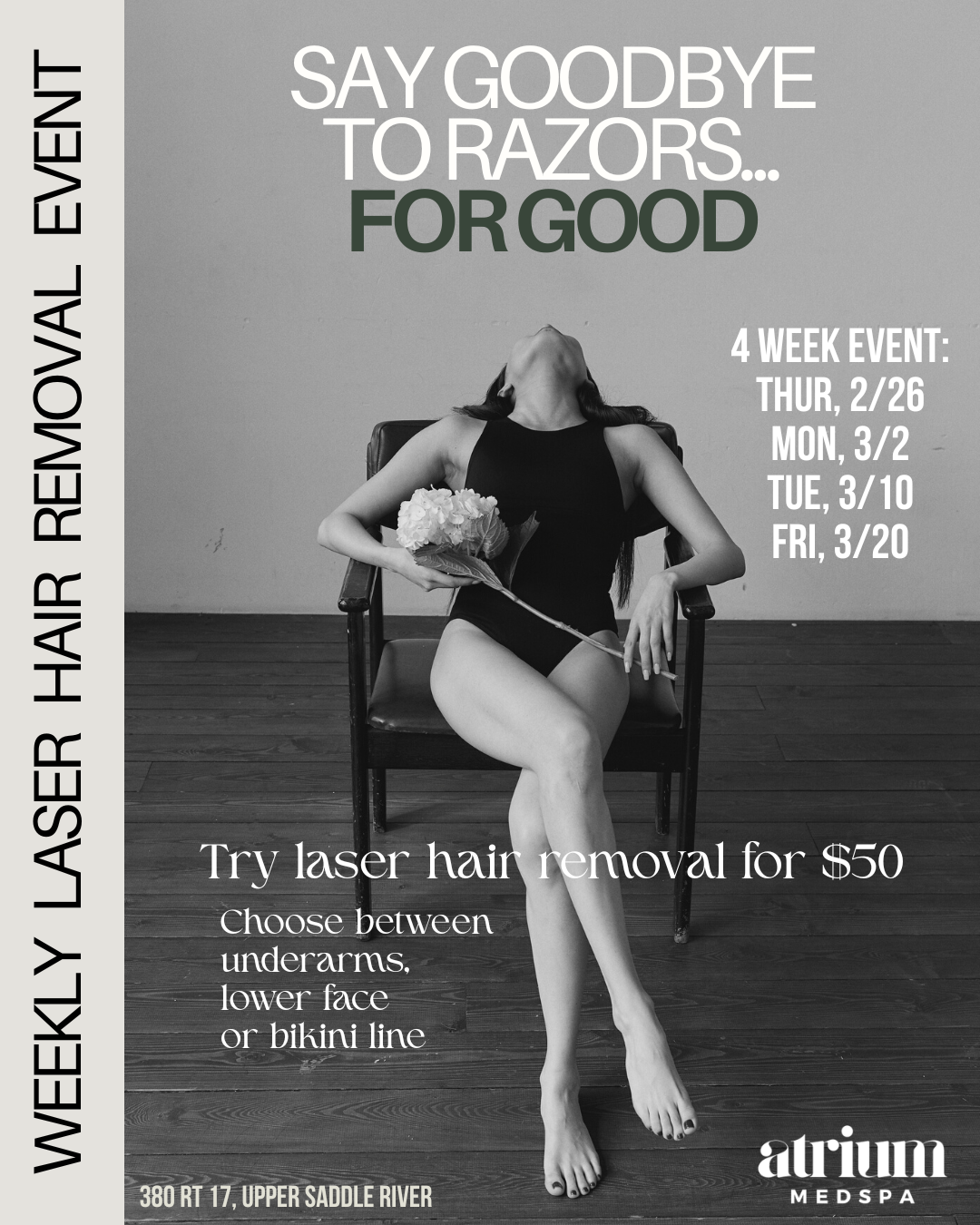
Taking advantage of current timing: try LHR for $50
To help you take advantage of timing, our Weekly Laser Days Events special gives first‑time laser clients the chance to try underarms, lower face, or bikini line for just $50, with an additional 15% off laser packages when purchasing the same day. This offer makes it easier to begin a properly timed series while UV levels are lower and schedules are more flexible, so the biological benefits of treating hair in repeated anagen phases can translate into smoother, lower‑maintenance skin by the time summer arrives. Get all the info here or give us a call for more information!